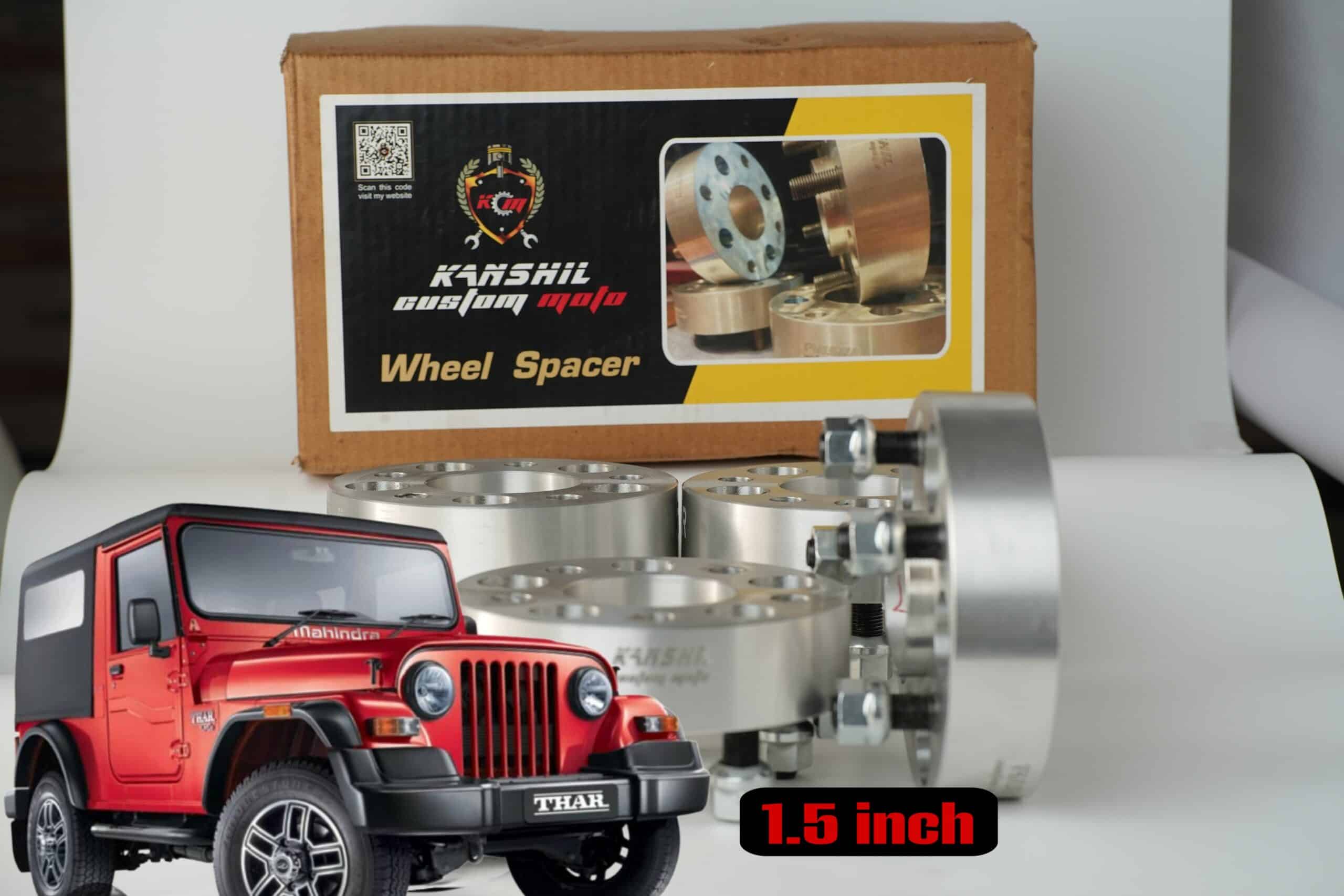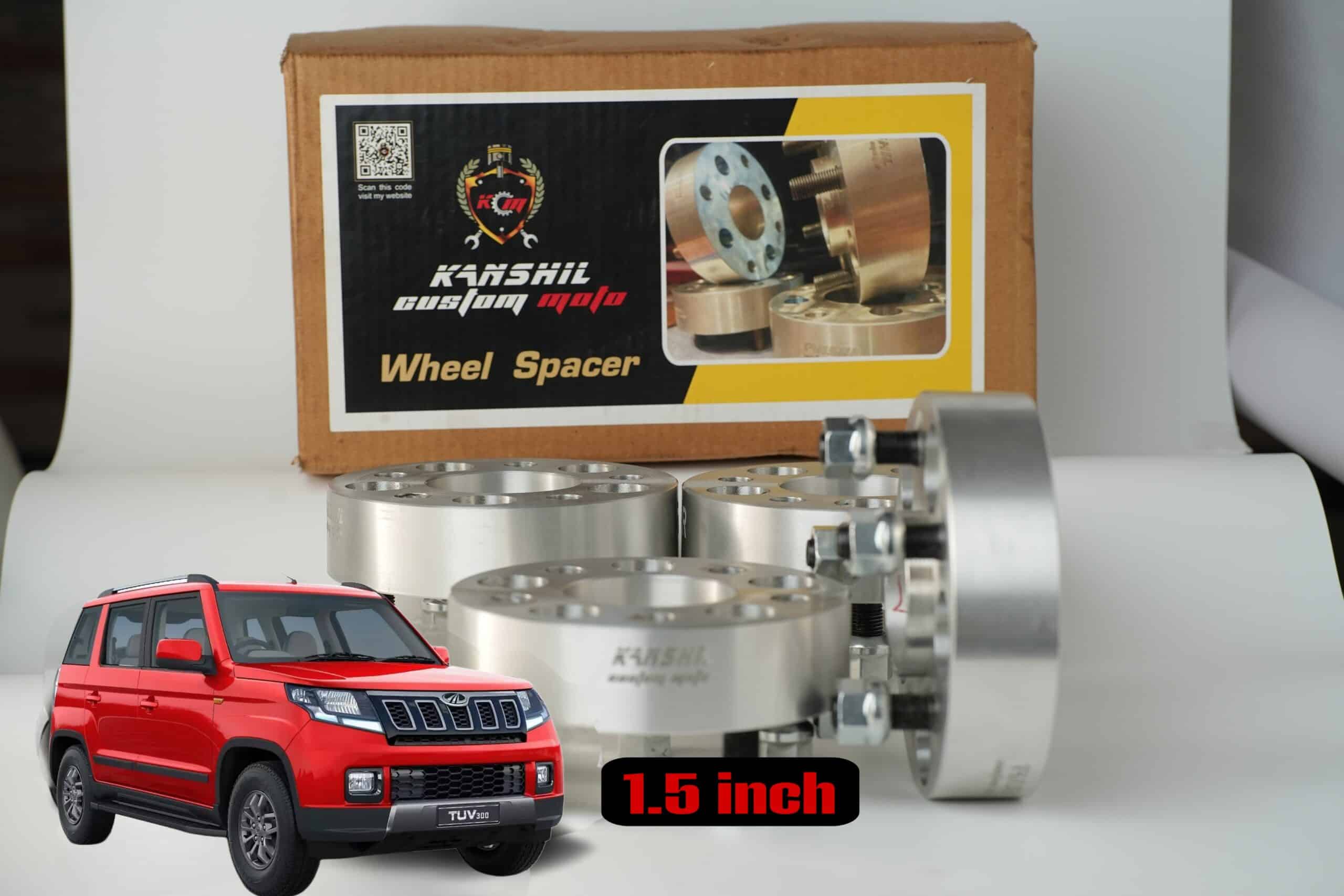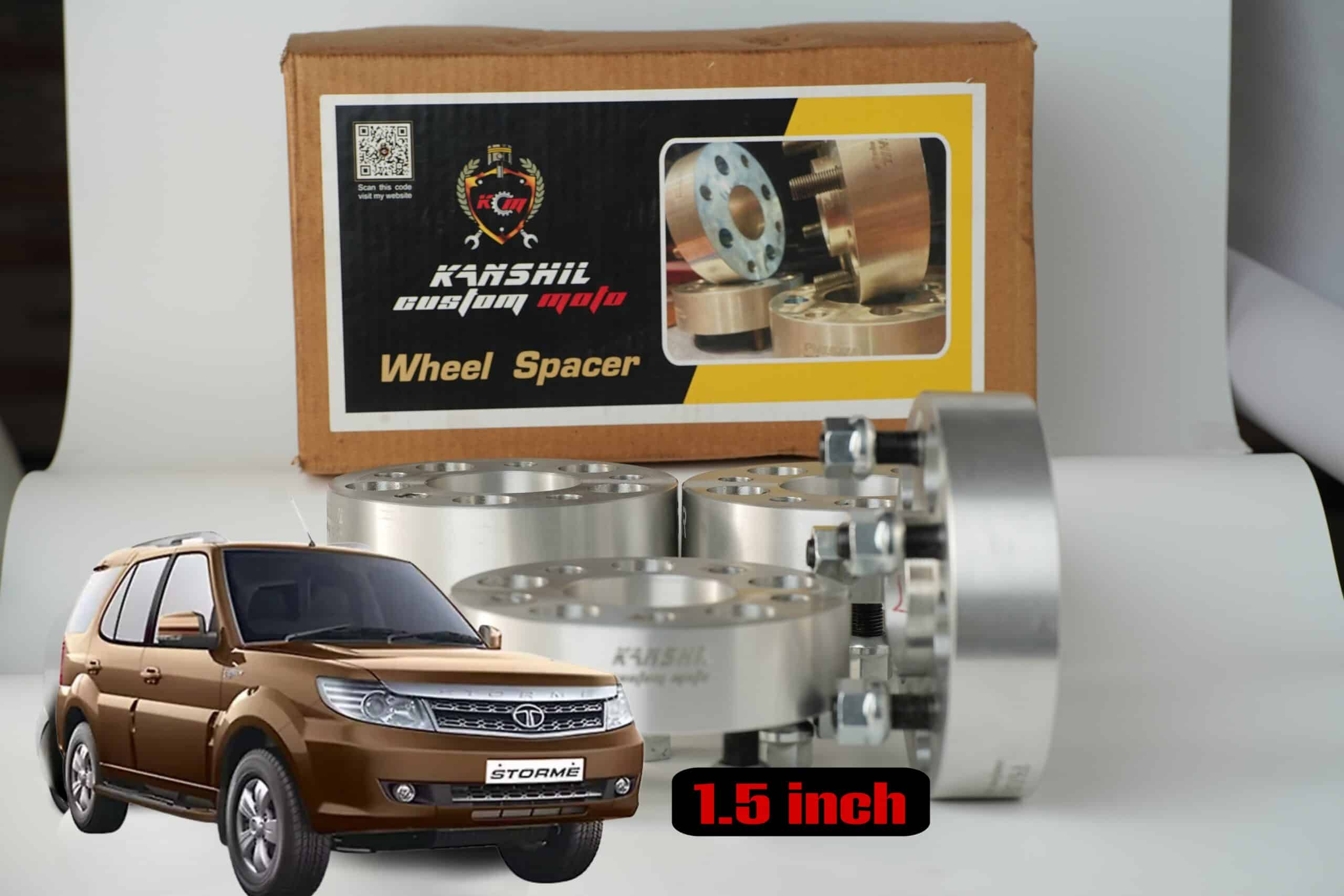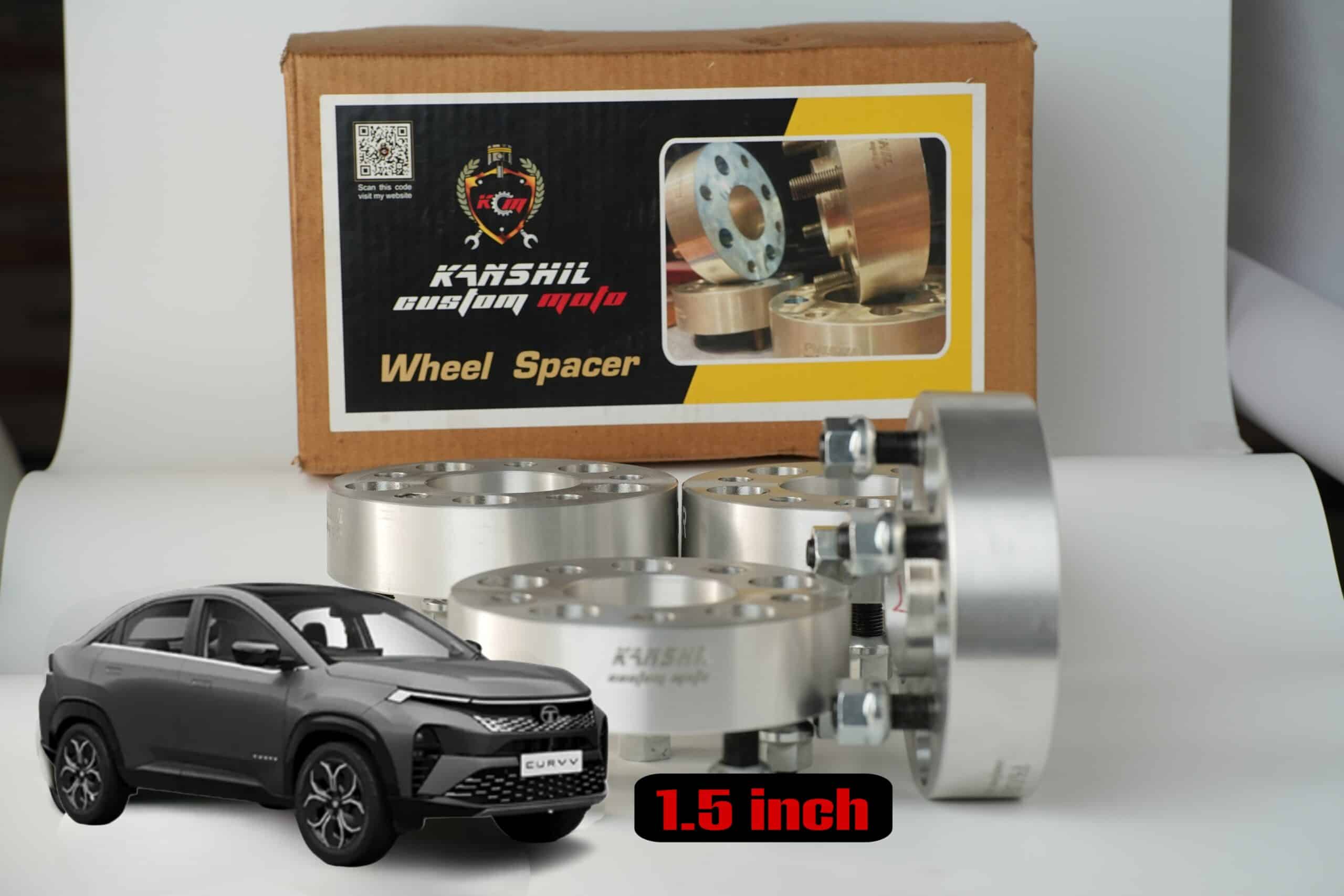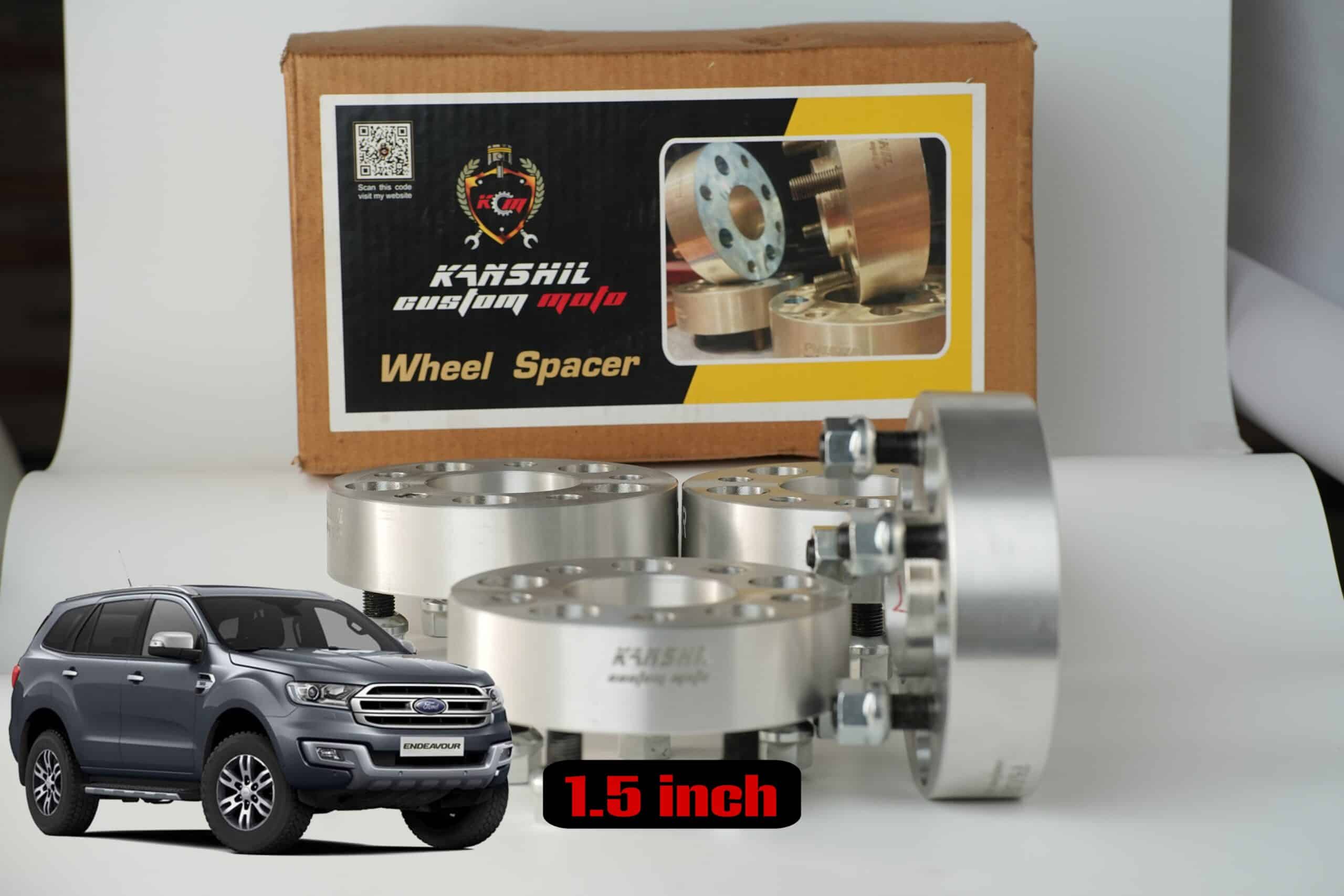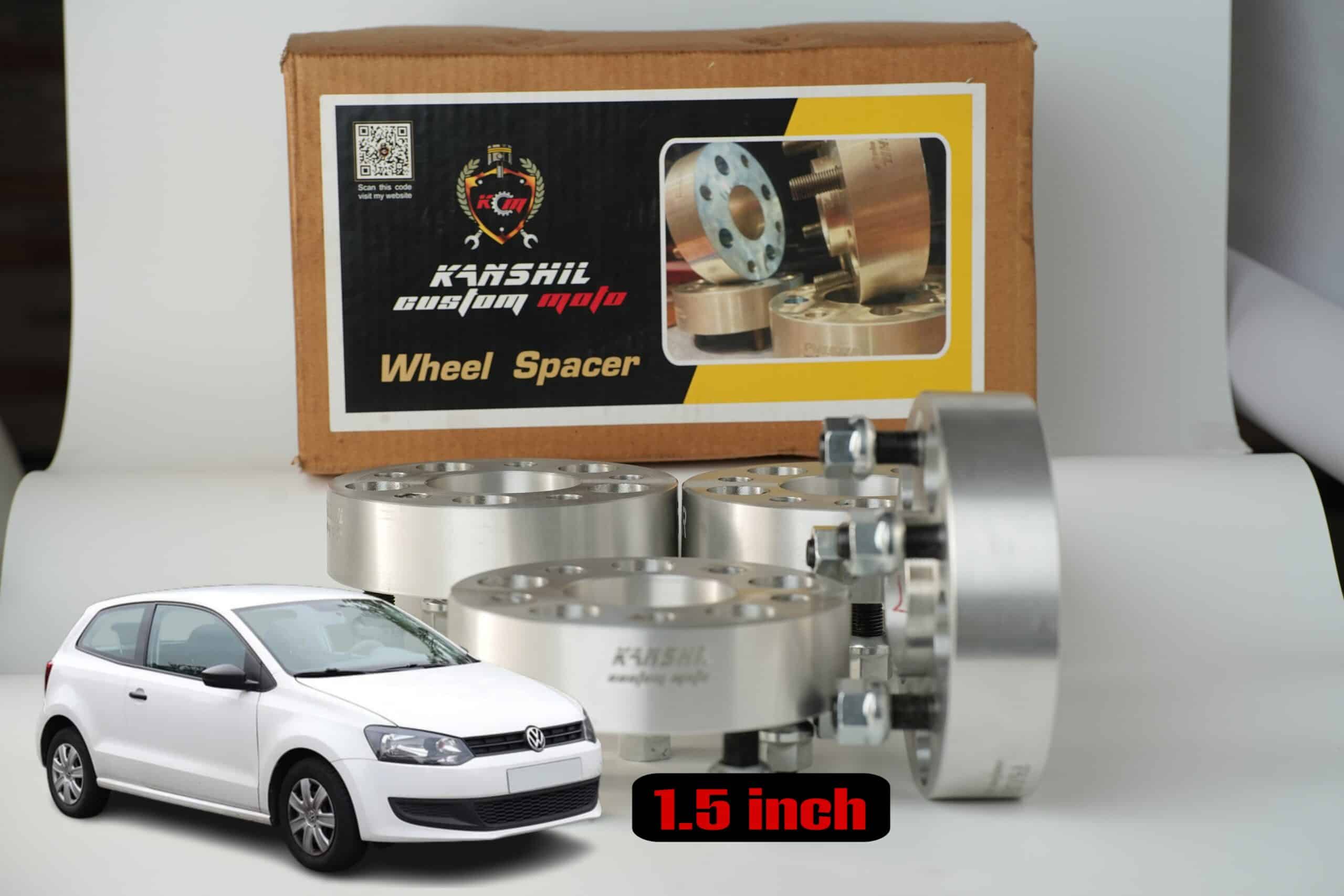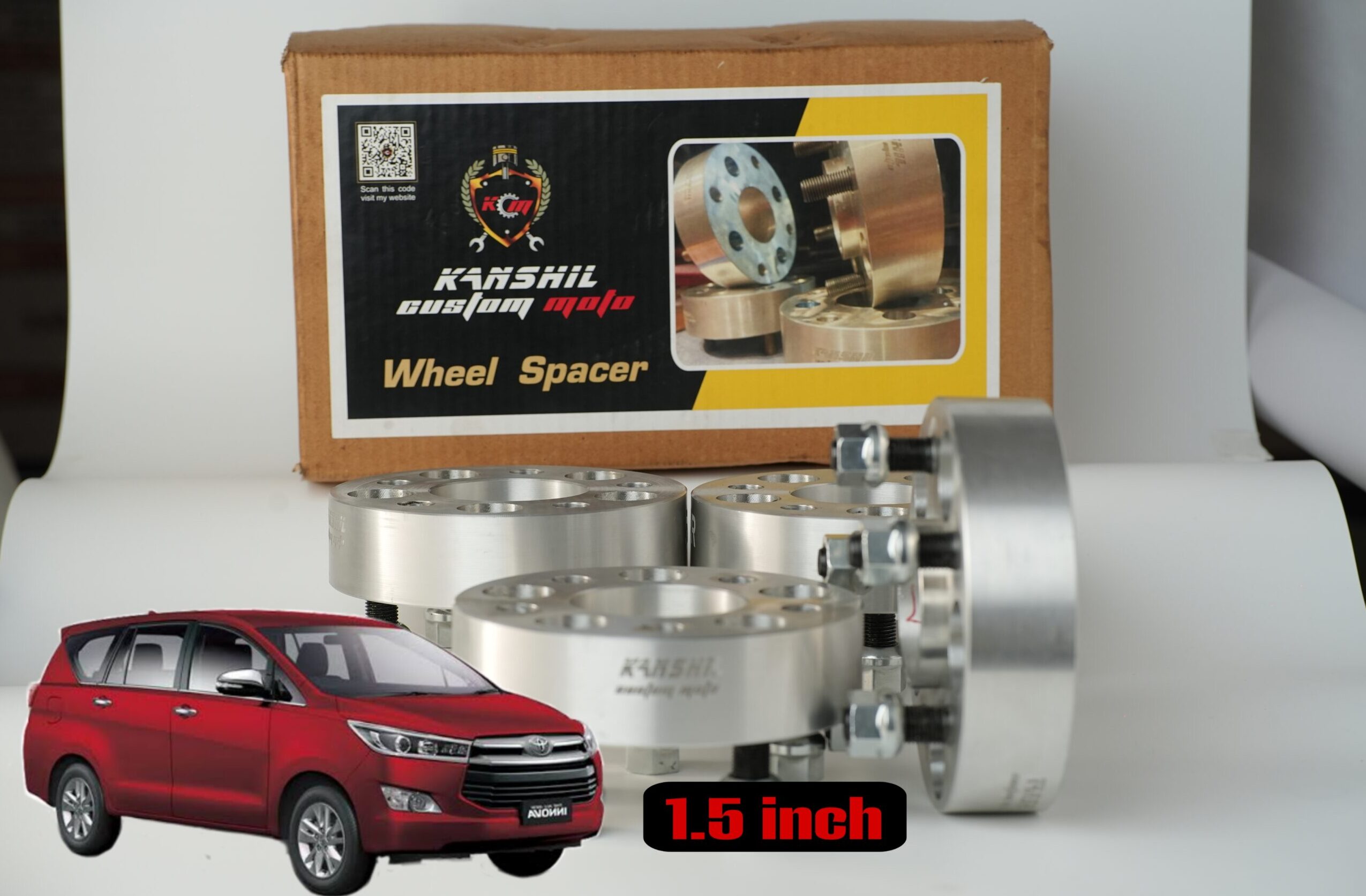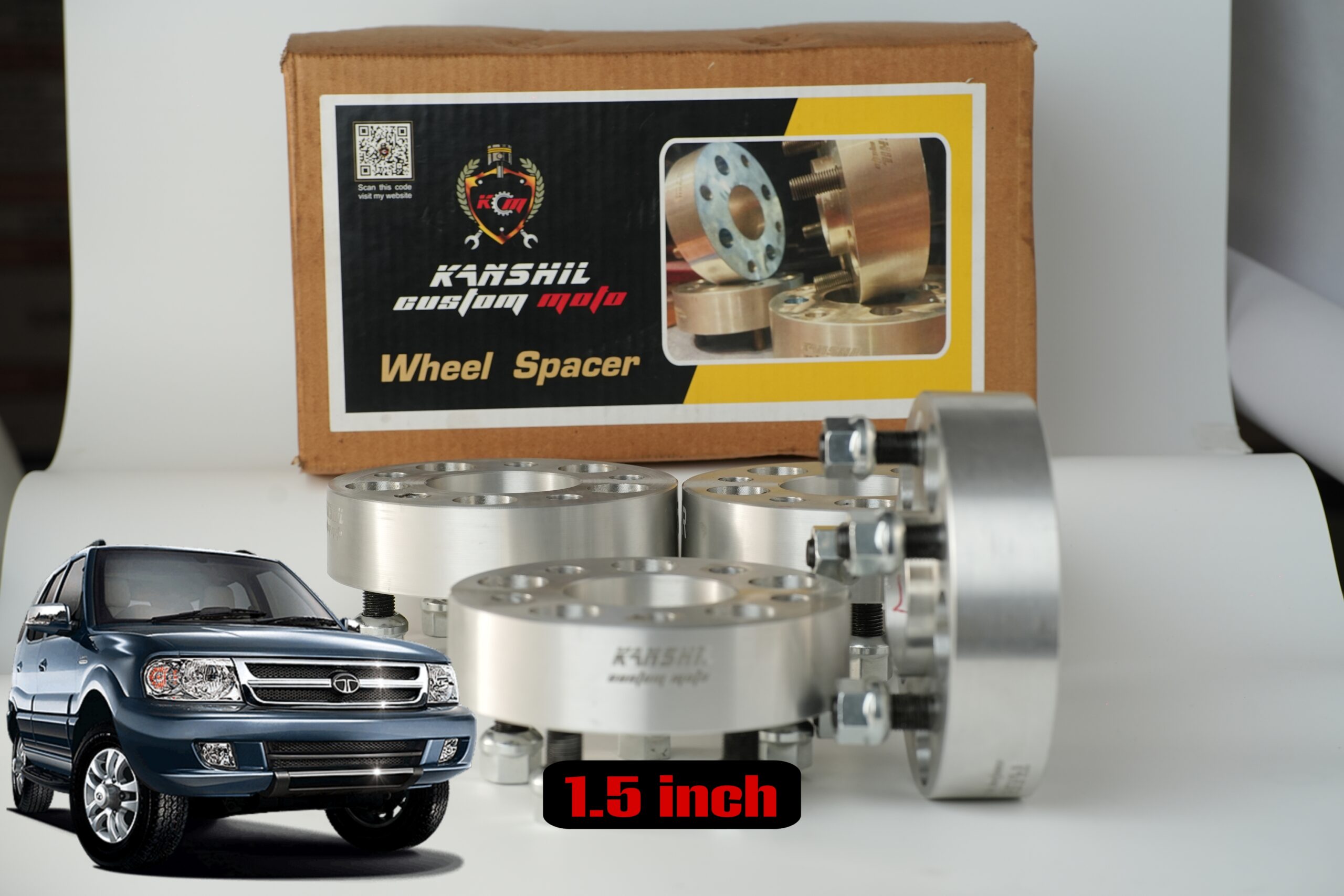
If you’ve spent any time browsing modification parts for your car, you’ve almost certainly come across wheel spacers. They’re one of the most popular upgrades in the aftermarket world, promising a wider stance, better handling, and a more aggressive look with what seems like a very simple part. But what exactly are you buying, how do they work, and — the question we get asked most often — are they actually safe?
This guide walks through everything a first-time buyer needs to know before adding a set of wheel spacers to their cart.
What Is a Wheel Spacer, Exactly?
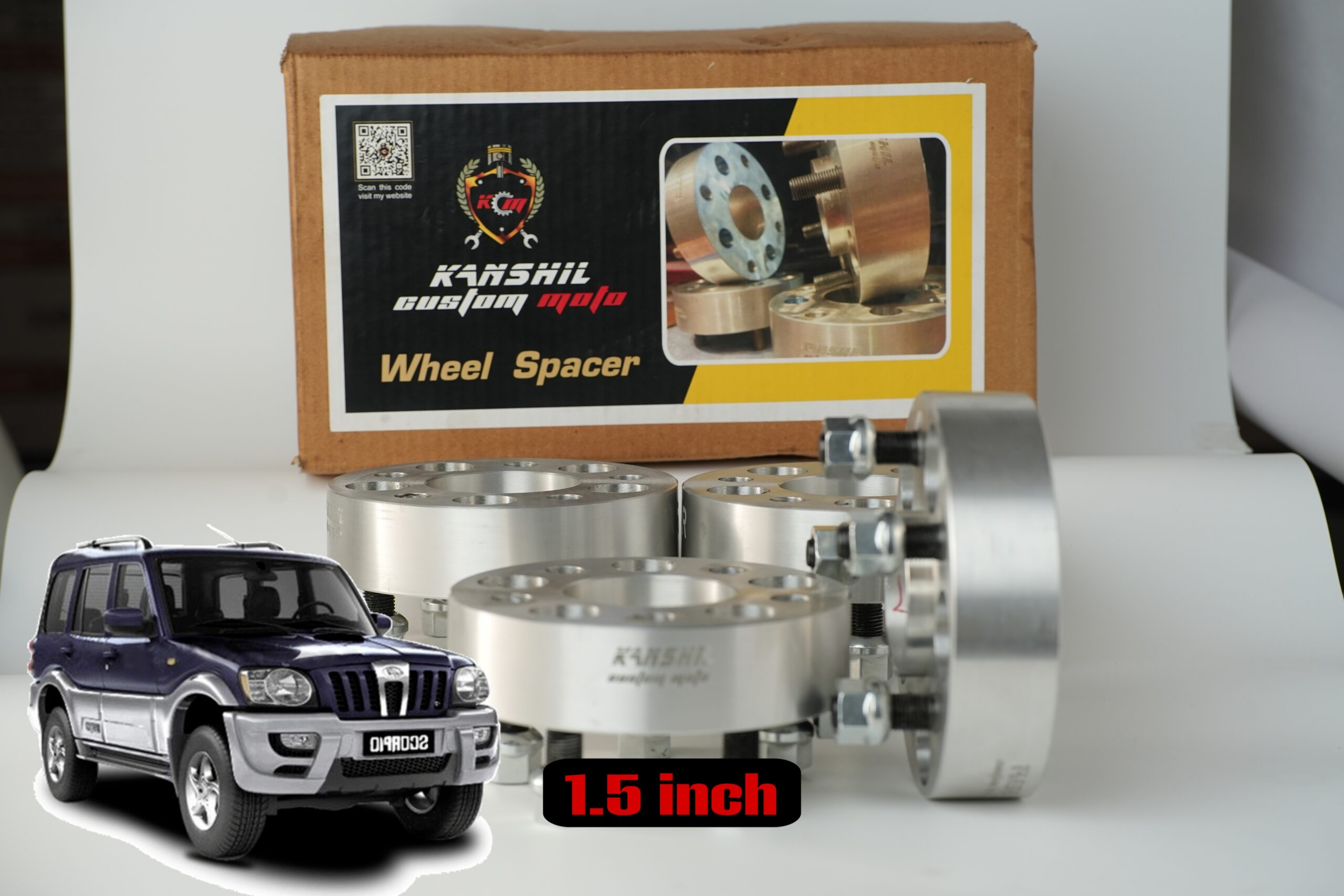
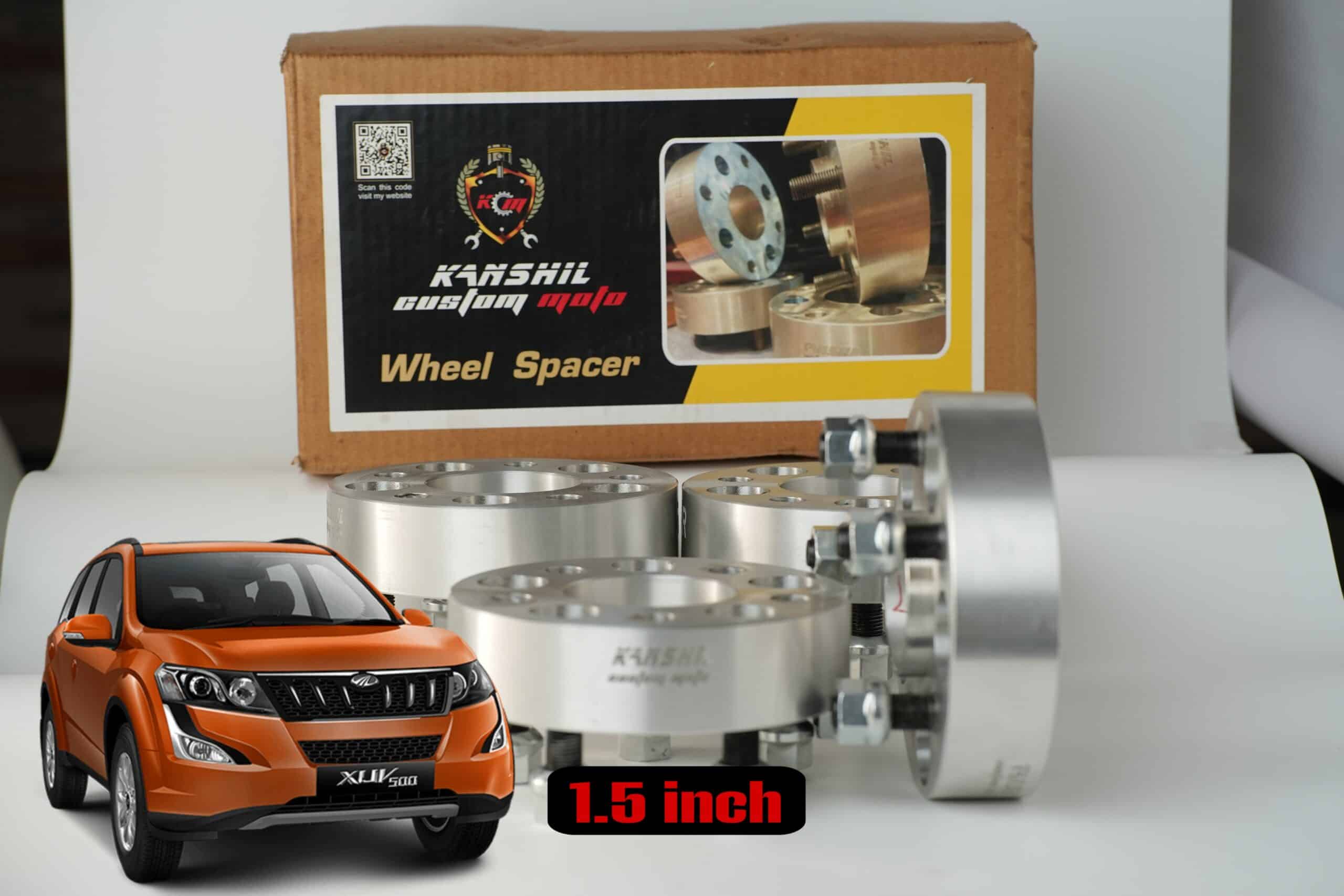
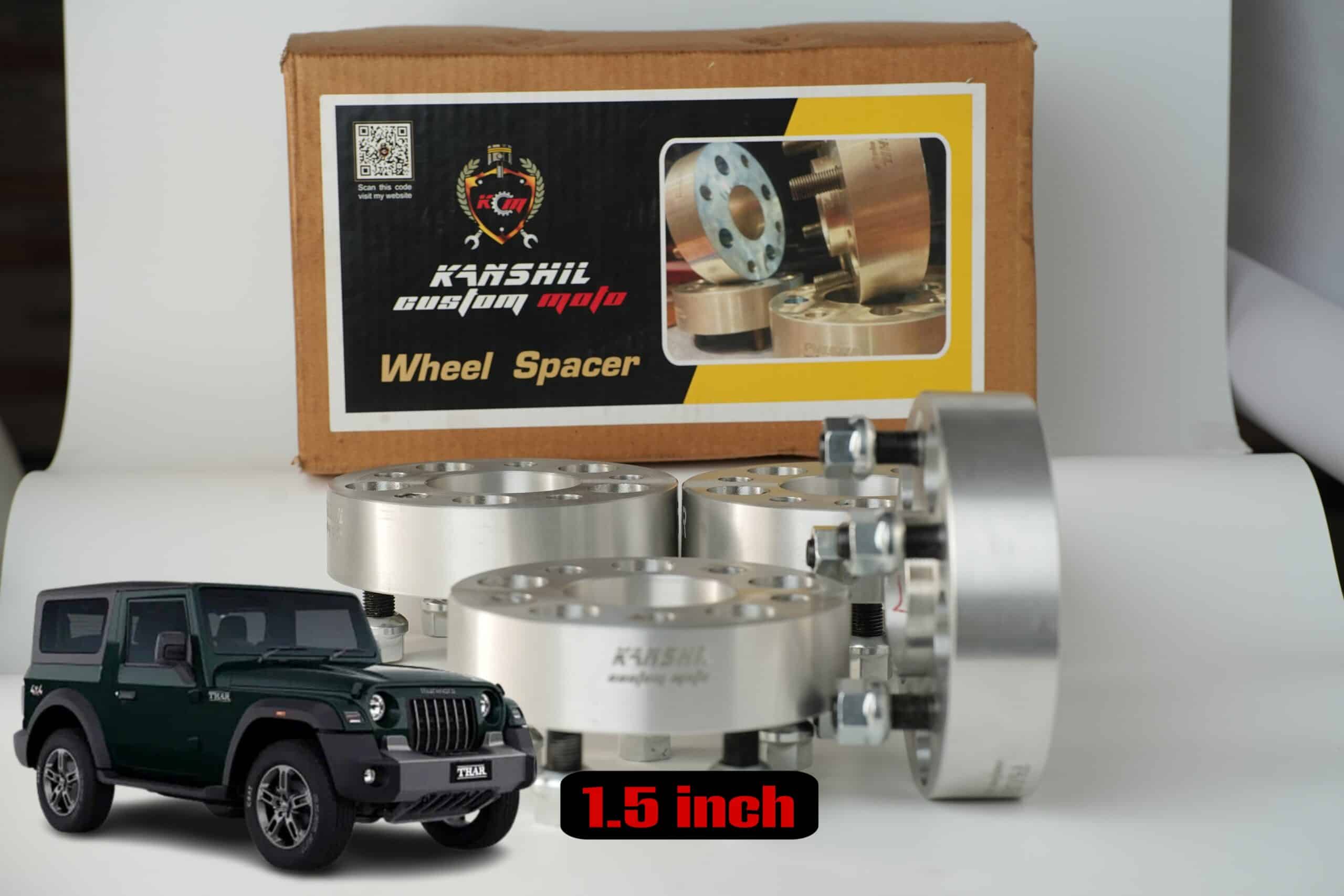
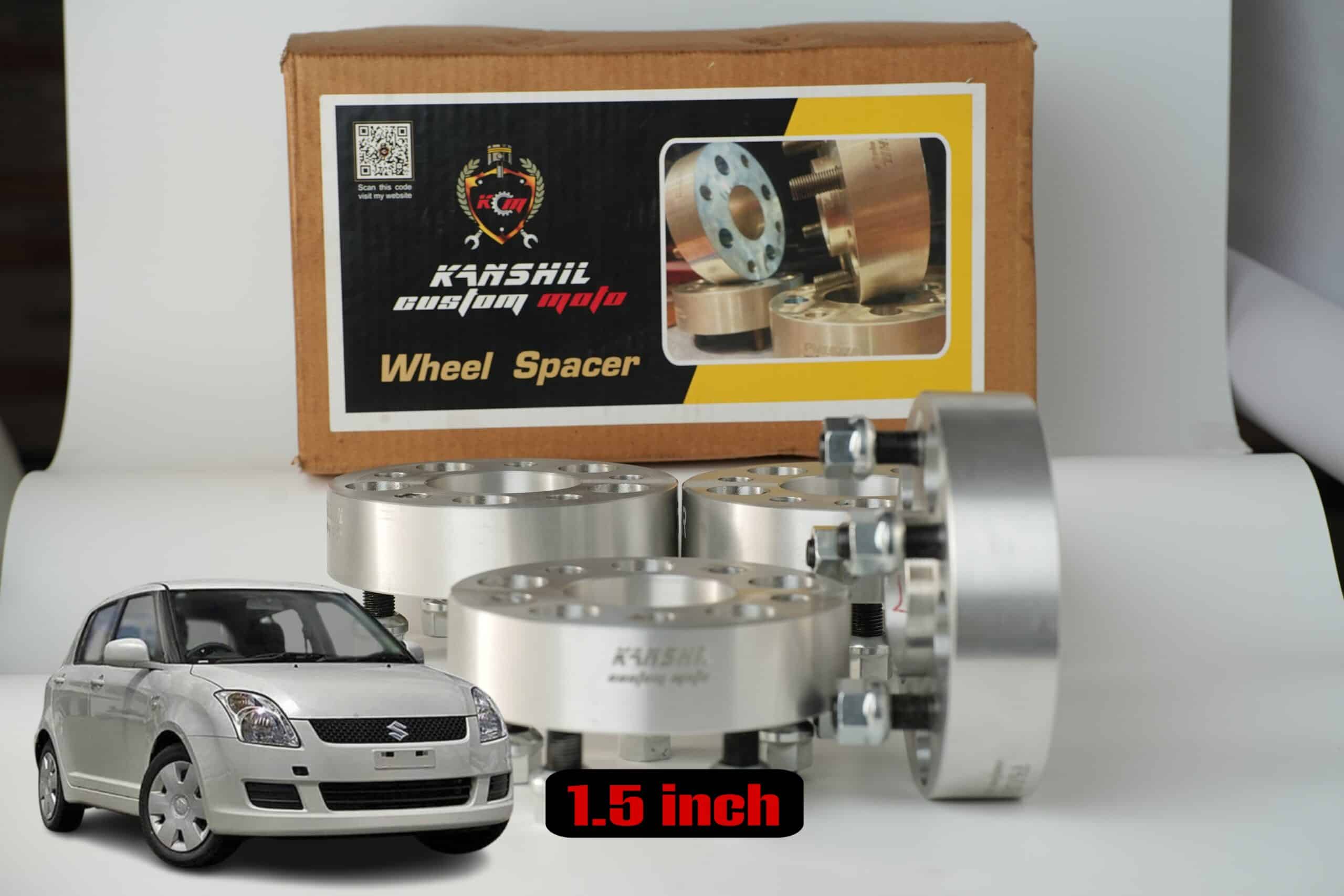
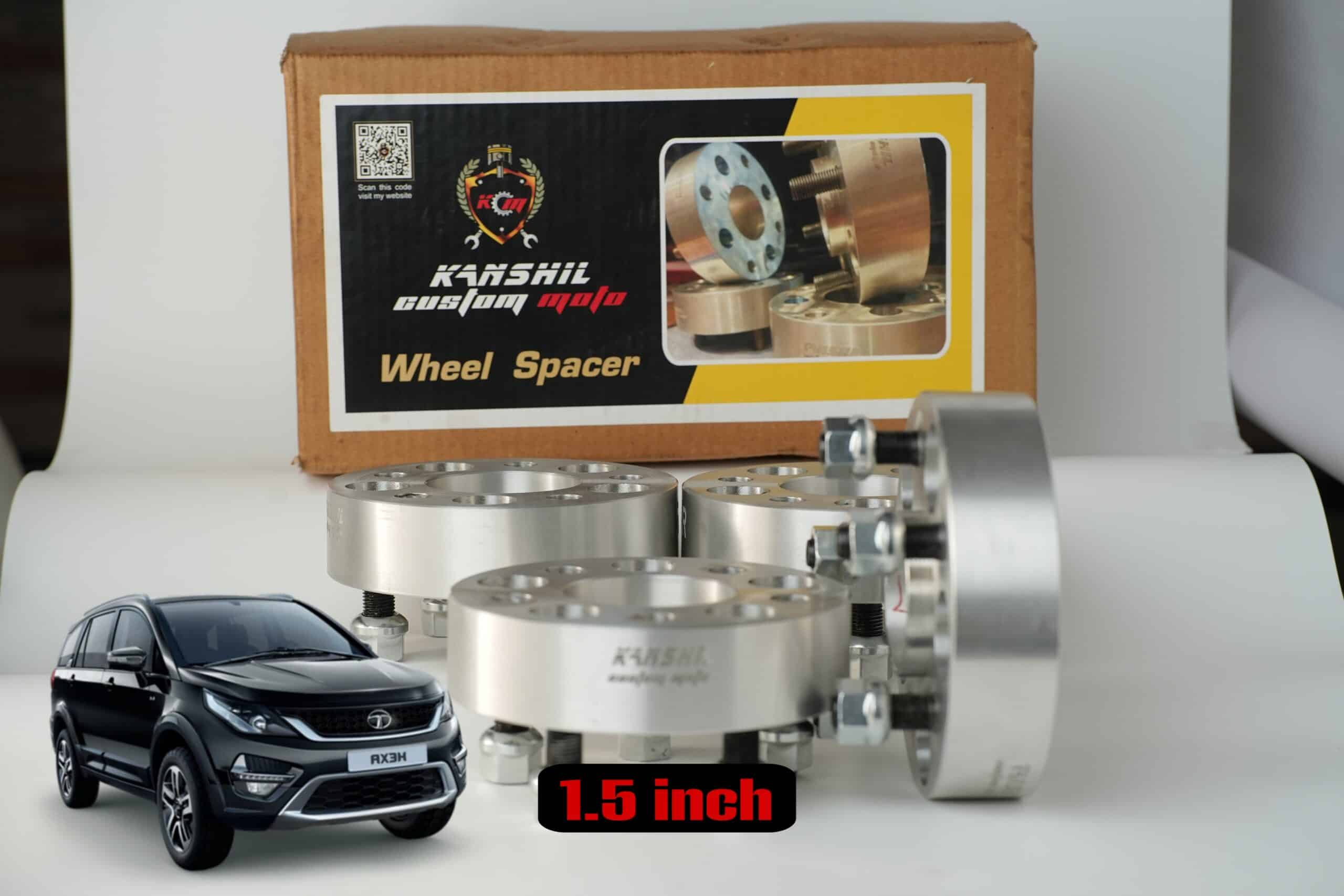
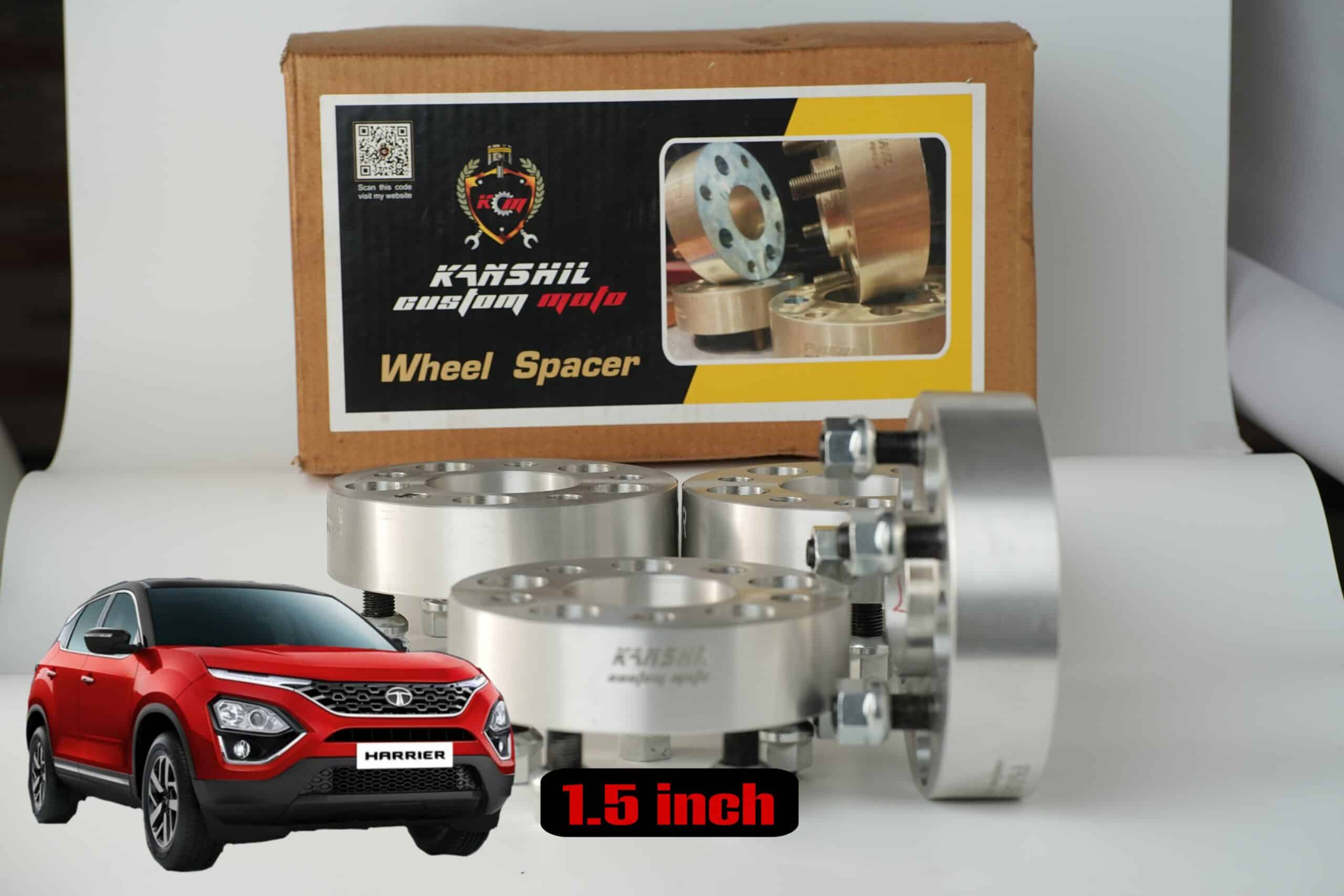
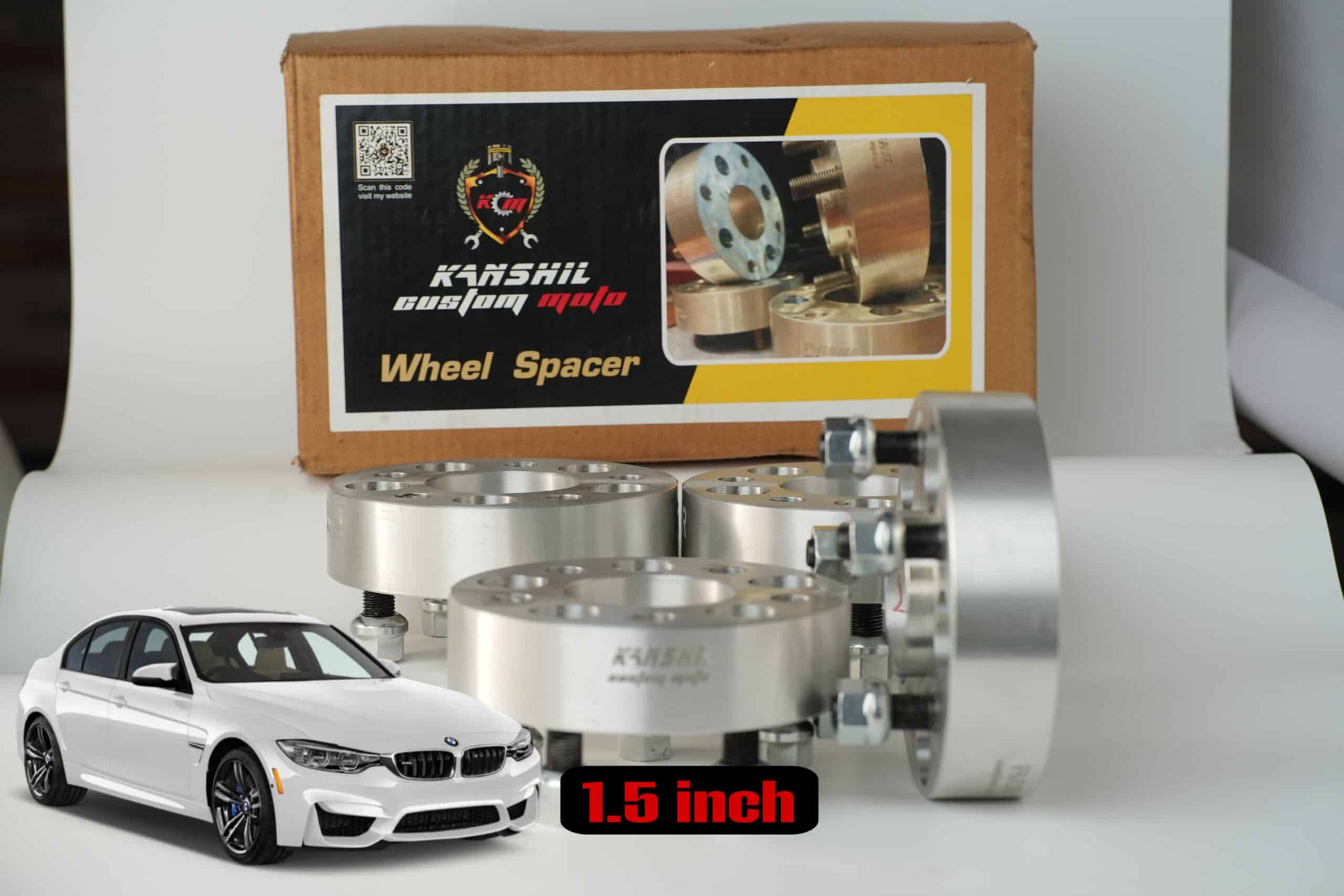
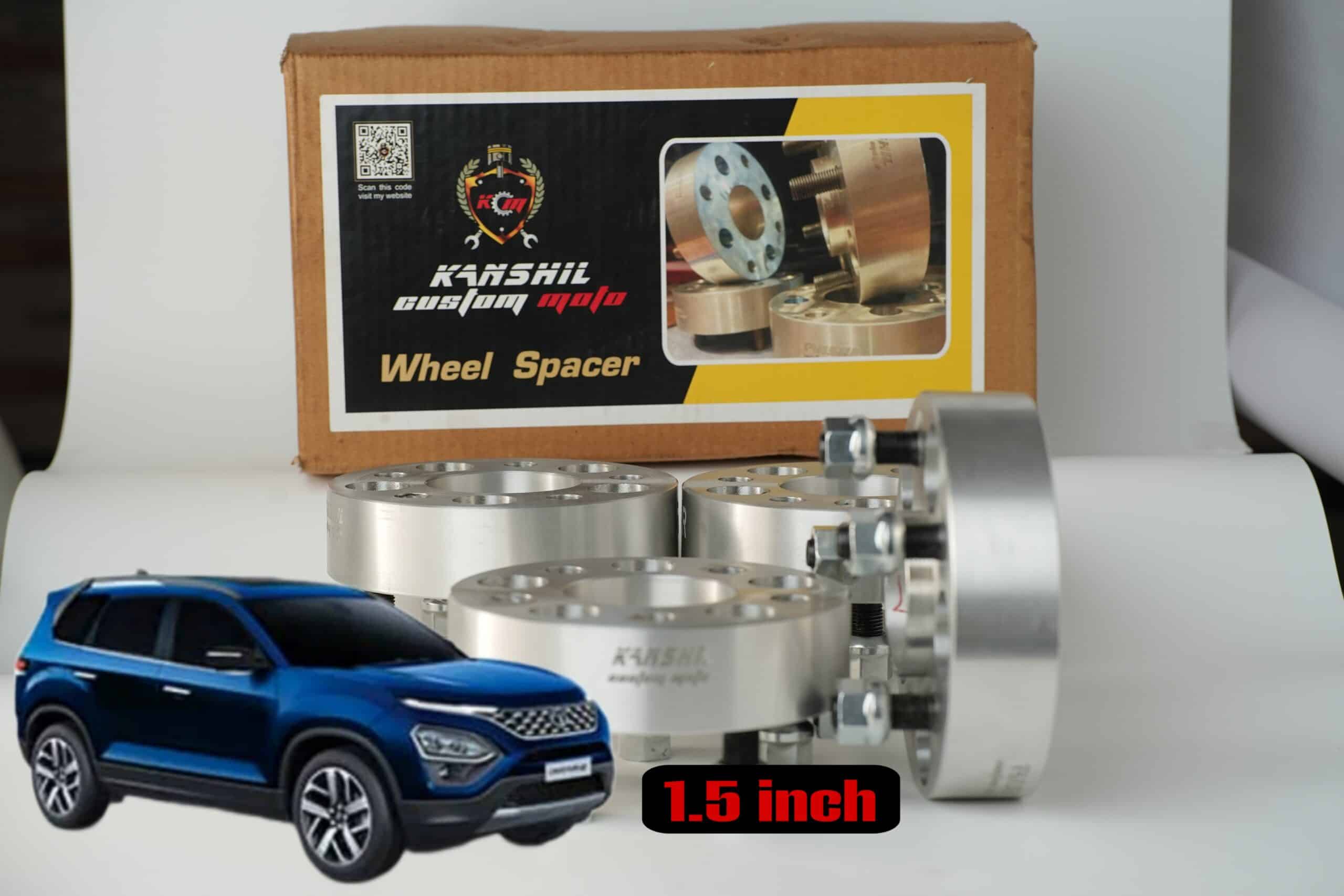
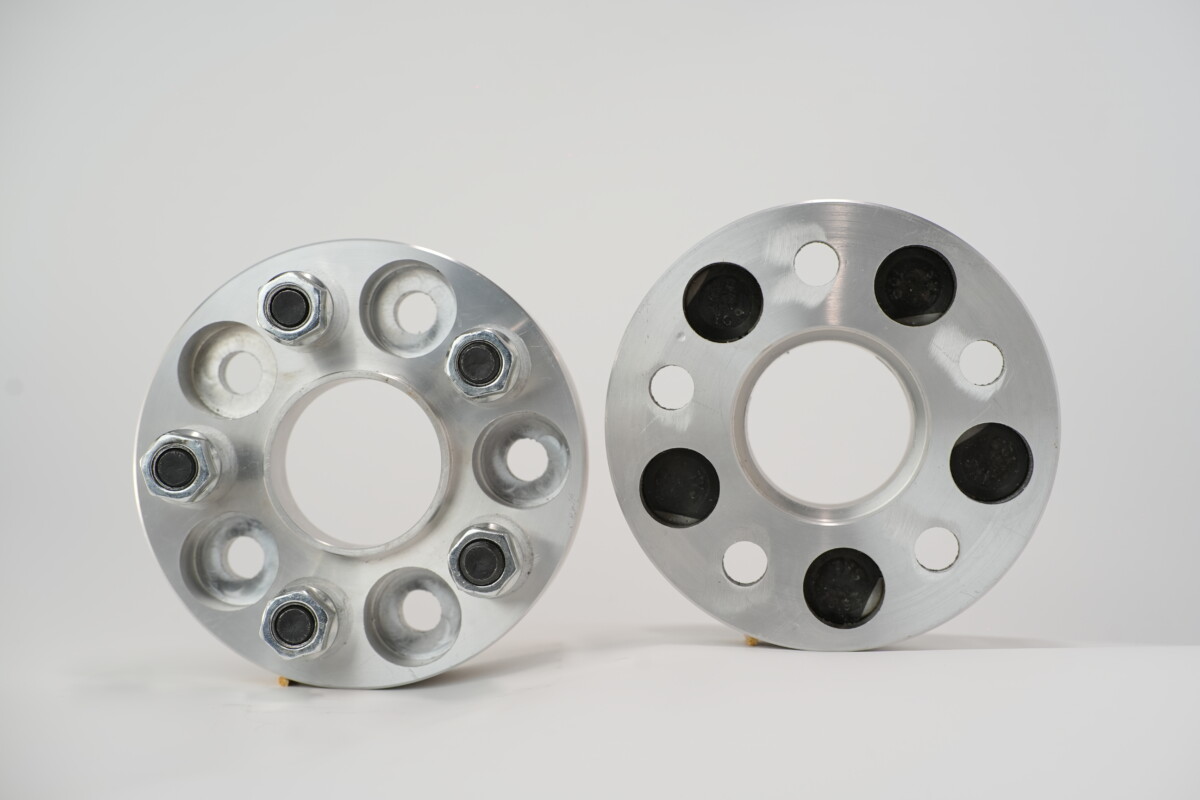
A wheel spacer is a precision-machined disc that sits between your car’s wheel hub and the wheel itself. It literally “spaces” the wheel further out from the hub, increasing the distance between the two wheels on an axle. Spacers are usually sold in pairs (for one axle) or as a set of four (for all four wheels), and they range in thickness from a few millimetres up to two inches or more, depending on the application.
They’re typically machined from aircraft-grade aluminum or forged alloy, and they either bolt on using their own set of studs (hub-centric, bolt-on spacers) or slide over the existing studs before the wheel is torqued back down (slip-on spacers). Bolt-on spacers are generally considered the more robust and safer option for anything above 15mm in thickness, since they carry their own dedicated hardware rather than relying entirely on longer wheel studs.
What Do Wheel Spacers Actually Do?
The primary effect of a wheel spacer is to push your wheels outward, closer to the edge of the fender. This has a few knock-on effects:
- Wider track width — the distance between the left and right wheels increases, which can improve stability and reduce body roll during cornering.
- Improved fitment clearance — spacers can resolve rubbing issues between larger aftermarket wheels or tires and suspension components like struts, calipers, or control arms.
- A more aggressive stance — pushing the wheels flush with (or slightly beyond) the fender line is one of the most requested cosmetic changes for modified cars, especially SUVs and off-roaders.
- Marginally increased steering leverage — because the wheel sits further from the steering axis, there’s a small change in steering feel, which most drivers describe as slightly heavier but more planted.
1.5-Inch vs 2-Inch: Which Size Should You Choose?
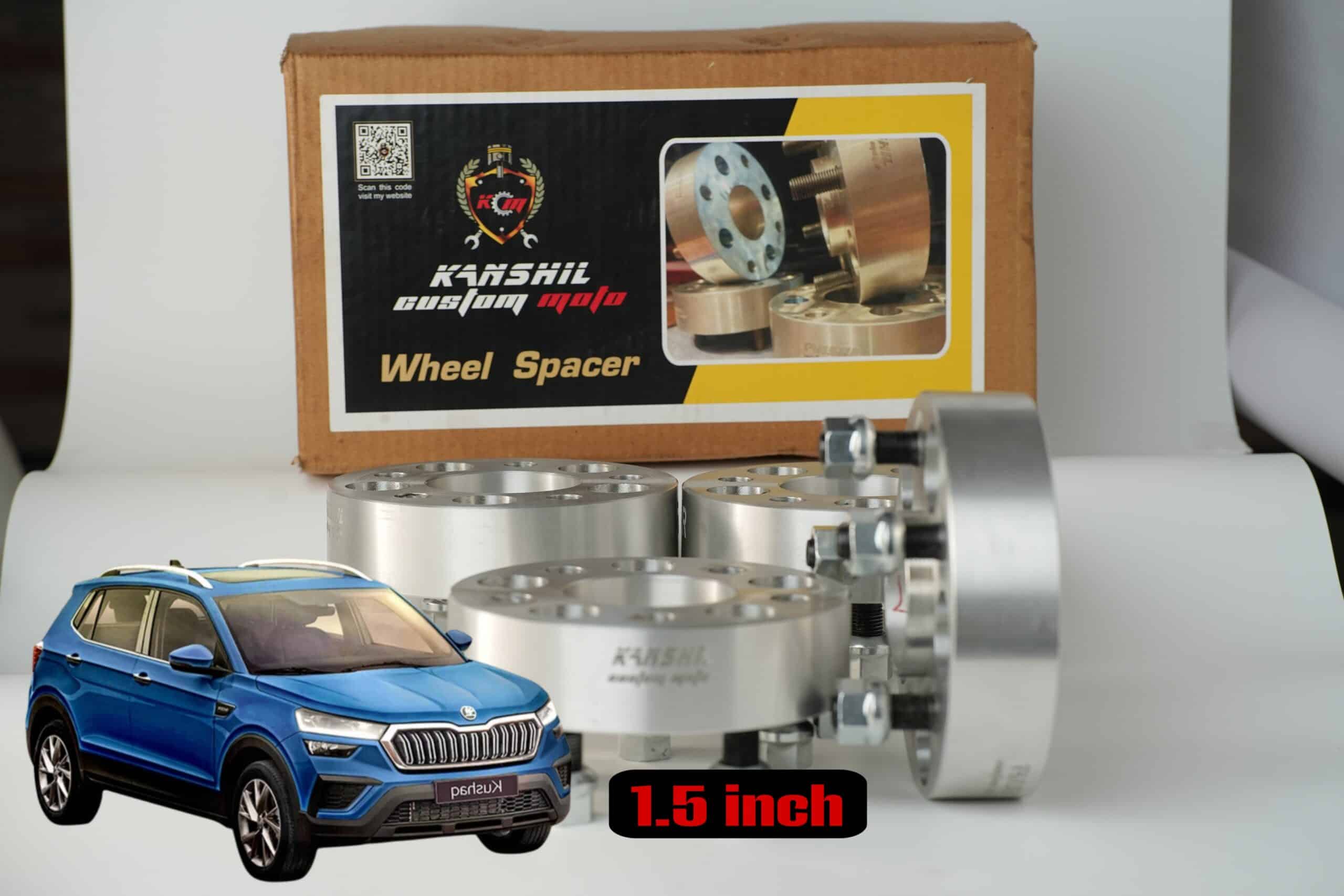
The two most common spacer sizes in the Indian aftermarket are 1.5-inch (about 38mm) and 2-inch (about 50mm). The right choice depends on your goals and your vehicle’s existing wheel well clearance:
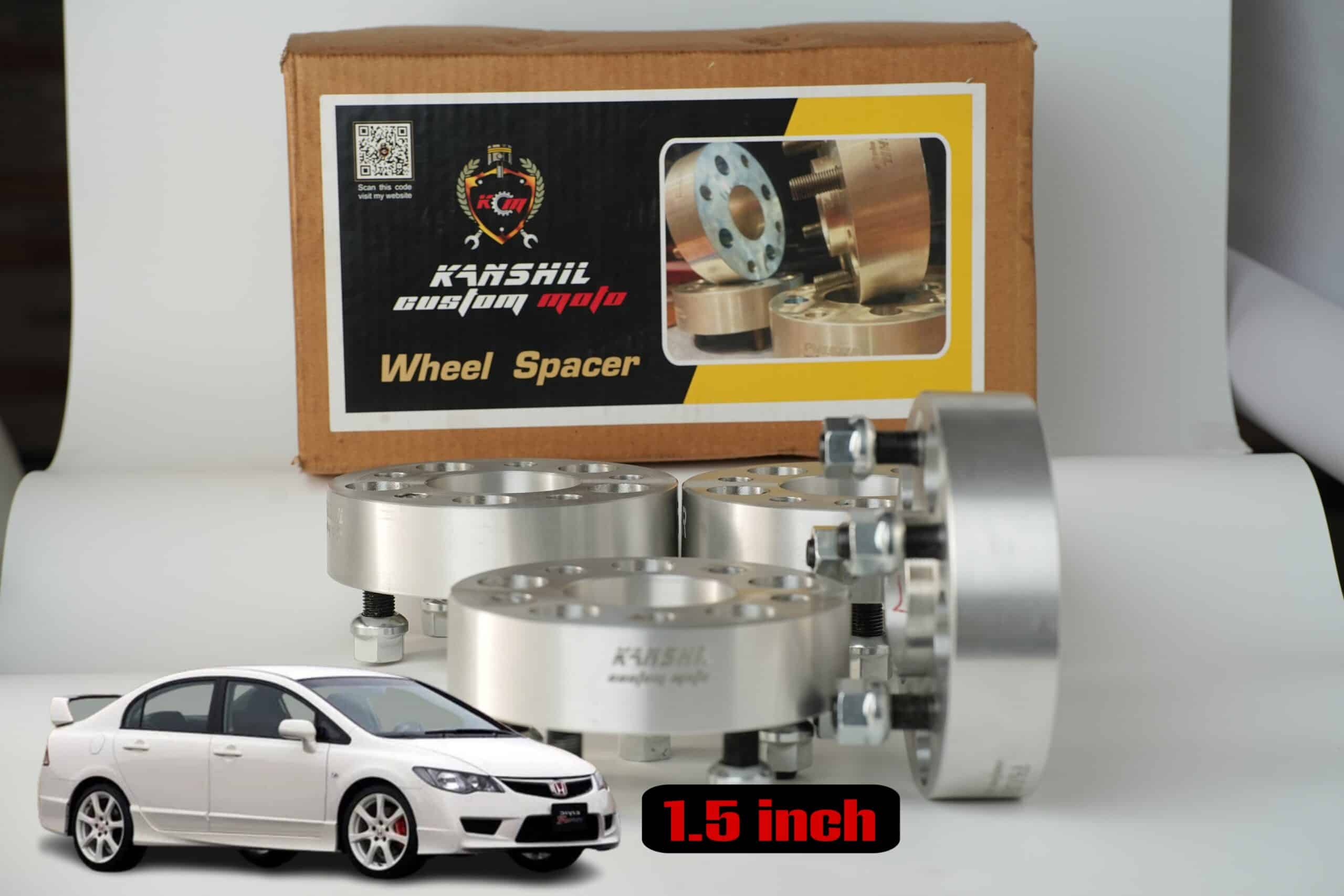
- 1.5-inch spacers are the safer, more conservative choice for most sedans and hatchbacks. They provide a noticeably wider stance without pushing the tire dangerously close to the fender lip, and they put less additional stress on wheel bearings and suspension bushings.
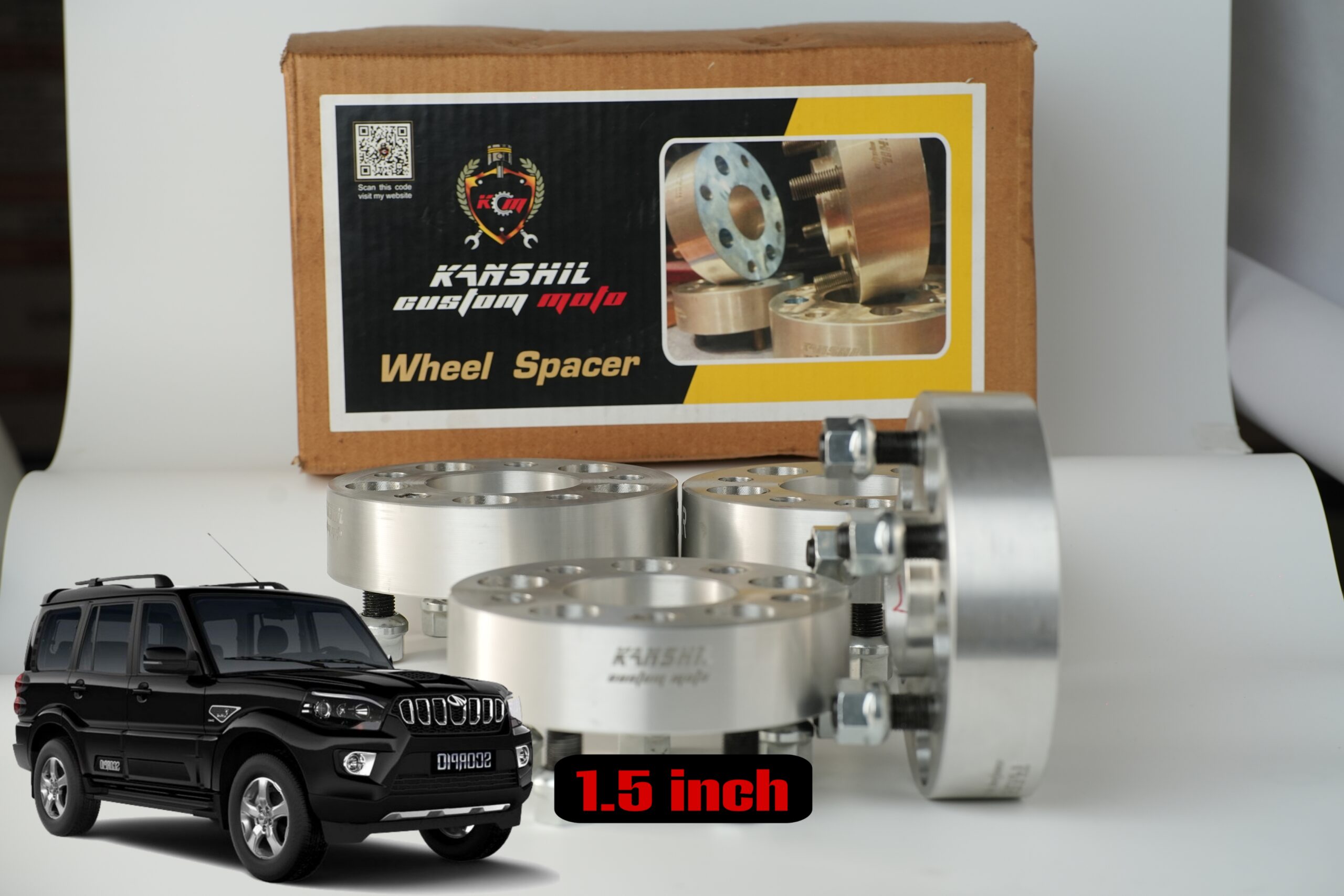
- 2-inch spacers are popular on SUVs and off-road-oriented vehicles like the Mahindra Thar, Scorpio, and Tata Safari, where there’s more wheel well room to work with. They deliver a bolder visual stance but require careful checking of tire-to-fender clearance, especially at full steering lock and full suspension compression.
As a rule of thumb: measure your current wheel-to-fender gap before choosing a size, and when in doubt, go with the smaller spacer. You can always step up later, but an oversized spacer that causes rubbing is a frustrating (and sometimes costly) mistake to undo.
However as you have chosen Kanshil Custom Moto, we can trim your 2 inch spacers to 1.5 inch and save you the cost by paying just additional amount of 3000rs. Contact us as @ kanshilcustommoto@gmail.com to know more about this unique offering.
Are Wheel Spacers Safe?
This is the question that generates the most debate in car forums, and the honest answer is: it depends entirely on the quality of the part and the installation. A well-engineered, properly torqued, hub-centric spacer from a reputable manufacturer is a safe and widely used modification — you’ll find spacers on everything from daily commuters to professional race cars. The risks come from cutting corners:
- Cheap, poorly machined spacers made from low-grade aluminum can flex or crack under load.
- Spacers that aren’t properly hub-centric can cause vibration and uneven wear over time.
- Incorrect installation — under-torqued bolts, reused studs beyond their rated stretch, or mismatched bolt patterns — is a far bigger safety risk than the spacer itself.
To stay on the safe side, always buy from a supplier that specifies the exact material, hub-centric bore diameter, and bolt pattern for your specific vehicle and year, and always torque to the manufacturer’s specified value using a calibrated torque wrench.
Installation: DIY or Professional?
Bolt-on wheel spacers are a bolt-on, DIY-friendly job for anyone comfortable changing a tire — the process is essentially the same as swapping a wheel, with an extra component in between. That said, a few points are worth taking seriously:
- Always torque wheel bolts/nuts to the exact specification in your vehicle’s manual, in the correct star pattern.
- Re-torque after the first 50–100 km of driving, since new hardware can settle slightly.
If you’re not confident using a torque wrench correctly, it’s worth the modest cost of having a professional garage handle the installation.
Common Mistakes First-Time Buyers Make
Most wheel spacer problems trace back to a small handful of avoidable mistakes:
- Buying by price alone. The cheapest spacer on a marketplace listing is rarely made from the material or with the tolerances advertised. Given how much load these parts carry, this is one modification where it genuinely pays to buy from a supplier who can specify exact material grade and hub-centric bore dimensions.
- Skipping the fender clearance check. It’s tempting to jump straight to the largest available size for maximum visual effect, but without checking clearance at full steering lock and full suspension compression, a spacer that looks fine parked can rub badly the first time you hit a pothole or turn sharply into a driveway.
- Reusing old wheel bolts with a bolt-on spacer. Bolt-on spacers typically come with their own hardware set matched to the correct thread engagement depth. Mixing and matching old and new hardware is one of the more common installation errors and can result in under-engaged threads.
- Forgetting the re-torque check. New hardware and mating surfaces settle slightly during the first several kilometres of driving. Skipping the follow-up torque check is a small omission that undermines an otherwise correct installation.
How Wheel Spacers Affect Ride and Wear Over Time
It’s worth setting realistic expectations about the secondary effects of running spacers long-term. A correctly sized, properly installed spacer from a reputable manufacturer typically has minimal impact on wheel bearing life or suspension component wear under normal driving conditions. That said, a few things are worth monitoring periodically:
- Check for any unusual vibration at highway speeds, which can indicate an improperly seated spacer or a wheel that isn’t torqued evenly in the correct star pattern.
- Inspect tire wear patterns every few months — uneven wear on the inner or outer edge can be an early sign that clearance or alignment needs attention.
- Listen for any new clicking or knocking sounds during turns, which would warrant an inspection rather than being ignored.
None of these are unique risks to wheel spacers specifically — they’re the same checks worth doing periodically on any modified suspension or wheel setup — but they’re worth building into your regular maintenance routine once spacers are installed.
Frequently Asked Questions
Do wheel spacers void my vehicle’s warranty?
This varies by manufacturer and region, and it’s worth checking your specific warranty terms. As a general principle, a manufacturer typically needs to demonstrate that the modification directly caused a failure in order to deny a warranty claim related to it — but the safest approach is to check with your dealer or read your warranty documentation directly if this is a concern.
Can I install different-sized spacers on the front and rear axles?
Yes, this is a common approach on vehicles where front and rear wheel wells have different amounts of available clearance. Many builders run a smaller spacer up front (where steering angle creates tighter clearance requirements) and a slightly larger one at the rear. This statement is only applicable for rear wheel drive cars, for front wheel drive cars you cannot use different size spacers, it is mandatory to have all spacers of same size for it.
Will wheel spacers affect my speedometer or odometer readings?
No. Spacers don’t change the wheel’s rolling diameter, only its lateral position, so speedometer and odometer accuracy are unaffected.
Final Thoughts
Wheel spacers remain one of the most cost-effective ways to transform both the look and handling feel of your car. The key to doing it right is choosing a size appropriate for your vehicle, buying from a manufacturer that’s transparent about materials and specifications, and installing them correctly. Done properly, it’s a modification you’ll get years of trouble-free use from — and one of the most visually rewarding upgrades for the money.